Chi siamo / about us
YOUR STAY WITH US
The Agriturismo Experience
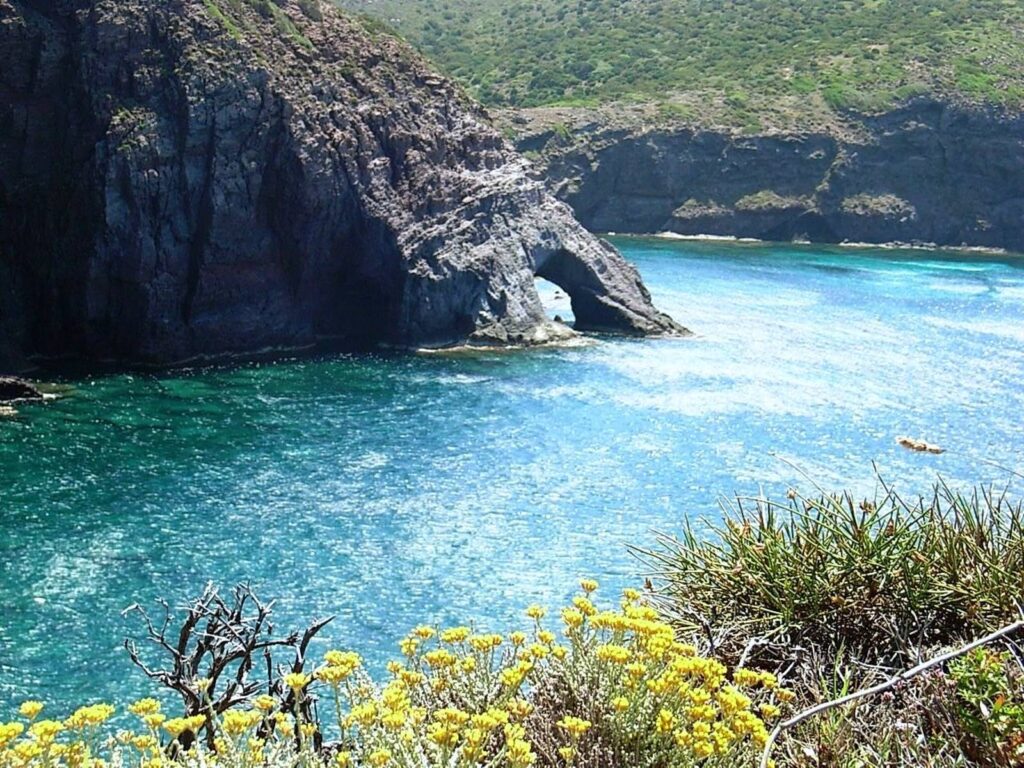
Agriturismi (farm stays) are those places where you can relax and enjoy your surroundings without having to get up at five in the morning to milk the cows or collect the eggs. Some farms are more chic than others! Think of a little corner of paradise, miles away from any crowded places in the most beautiful setting, yet just a short distance from the sea: here we are! We are here just to help you. We love listening to travelers: your feedback helps us improve and better meet the needs of our guest friends.
Breakfast & Picnics
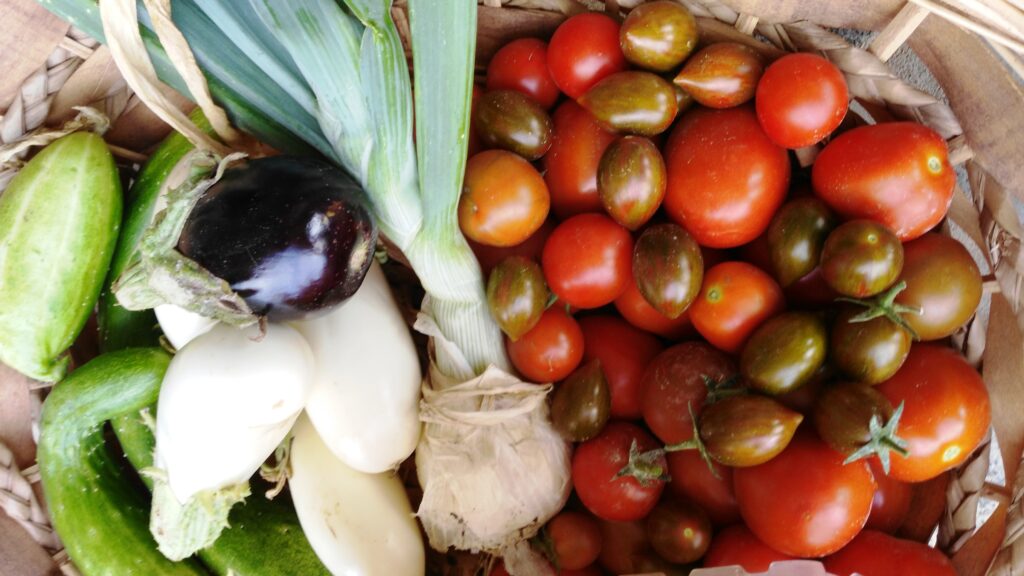
We can offer a particularly good breakfast, if you desire, and picnic baskets are also available. Our winning combination of savory foods and sweet delights has something for everyone:
• The Savory Palette: Eggs, cold cuts, cheeses, and warm bread. • The Sweet Delights: Cookies, croissants, and a wide selection of typical Sardinian sweets for those who love them. • The Essentials: Fruit juices, yogurt, high-fiber cereals, Nutella for the kids, fresh and dried fruit. • From the Café: Coffee, cappuccino, tea, and milk. Everything you need to start the day on the right foot and get ready for your favorite activities!Choosing Your Perfect Accommodation
Our Accommodations (Inspired by Fabrizio De André): We named our lodgings after song titles by the legendary Italian singer-songwriter Fabrizio De André. So, across our property you will find:
• The "Bocca di Rosa" Geodesic Dome: A shared communal space featuring a kitchen, dining room, living room, and even a small fitness area. • 1 Unique Shell Tent: "Creuza de mà" (perfect for 4 guests) • 1 Big Safari Tent: "Via del Campo" (for 3 people) • 2 Safari Lodges: "Oceano", and "Le nuvole" (for two, up to 4 guests), also with private kitchen on request • 2 Romantic Geodesic Domes: "Girotondo" and "Jamin-a" (just for two guests) • 1 Geodesic Domes: “Princesa”, Principessa in Italian (perfect for 4 guests) • The Main Agriturismo House: "Verdi Pascoli" (up to 5 people) The Story Behind the Names Born in 1940 in Genoa, Fabrizio De André became famous for his songs and poems about marginalized and rebellious people—especially prostitutes—whom he saw as the answer to bourgeois femininity. In 1979, he was kidnapped by Sardinian bandits and held prisoner in the Supramonte Mountains in the center of the island. He was released four months later, apparently after a ransom was paid. When his kidnappers were finally arrested by the police, De André was called as a witness in court. He showed compassion for some of his captors, noting that he was treated well by those he called his "guardians," and declared his solidarity with them, stating: "They were the real prisoners, not me." He died of cancer in 1999 and is remembered as a true singer-songwriter and poet, a bard of the common man often compared to Bob Dylan.Off-Season Travel Perks
We have significantly reduced our room rates for the mid and low seasons (April-June and September-October). While the weather is more variable, it usually doesn't rain. It is excellent weather for hiking, cycling, and climbing, and both the attractions and the beaches are beautifully uncrowded.
FOOD AND WINE (ENOGASTRONOMIA)
The Sardinian Culinary Philosophy
Sardinia is unparalleled for its climate, good food, and wine. Eat in rustic agriturismi (farmhouses), visit local wineries, and loosen your belt by a notch: the feast of typical and authentic dishes you'll find here is well worth it. Obviously, we all have to eat, but here we must make a distinction. In Italy and in Sardinia, it is not just a way to survive: it’s a job, a pastime, a hobby, a sport, an art, a vocation, a craft, a mania, a distraction, a diversion, a fantasy, an occupation, a game, an interest, a leisure activity, an obsession, a topic, a quest, a way to relax, a side gig, a specialty, a weakness, a whim, and something that, regardless, cannot be ignored and must be treated with due seriousness. On an island where even the everyday reality of bread and cheese is elevated to an almost art form, eating well is taken for granted. Sardinians combine their love for food and socializing at the table, whether in humble trattorias or high-end restaurants. "Organic" and "slow food" are modern buzzwords for what Sardinia has been doing for centuries. Dinner tends to be a joyous affair, celebrating with pasta, fresh vegetables, cheese, meats, and wine.
Sweets and Pastries
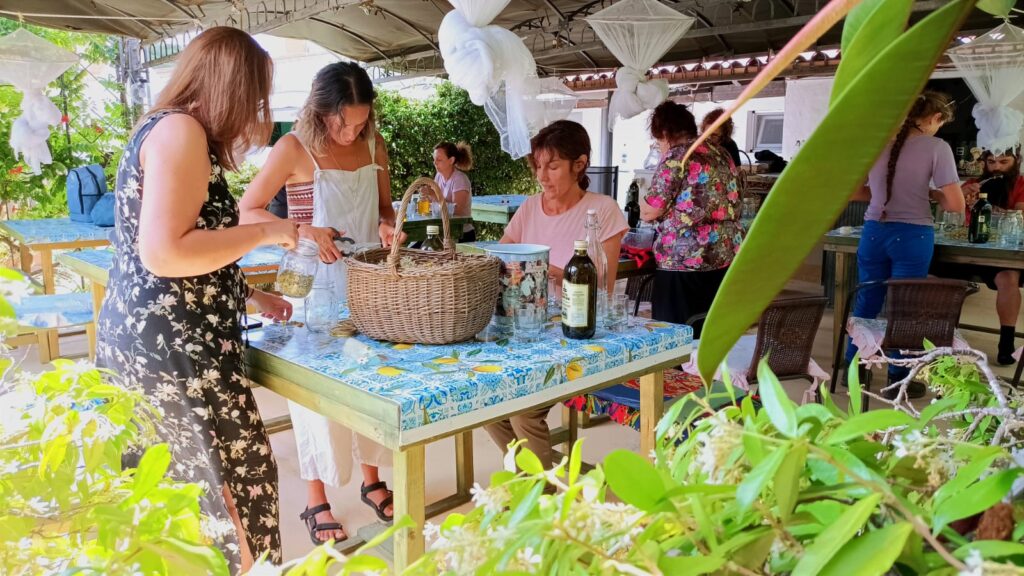
Those with a sweet tooth can spend a half-day touring bakeries filled with freshly baked, artisanal pastries. Sardinia’s dessert cart has always been shaped by the island’s natural flavors. Take the recipe for amaretti (almond cookies). • Torrone (Nougat): Don't miss this sweet, which is also produced in Sicily. However, in Sardinia, it is made without sugar—using only honey, egg whites, almonds, and walnuts. • Seadas (or Sebadas): Perhaps the island's most famous dessert. It is a high-quality pastry (vaguely similar to a large raviolo) filled with orange or lemon zest and ricotta or sour cheese, then drenched in bitter honey (see below for the recipe). • Sospiri di Ozieri: Rich tartlets made of minced almonds, sugar, honey, and glazed lemon. • Aranzadas: Small baskets of finely shaved orange peel and almonds soaked in honey. • Papassinas with Sapa: Cookies made with almonds, honey, candied fruit, and grape must. • Pardule (Casadine or Formaggelle): Delicious mini cheesecakes made with ricotta or pecorino, flavored with saffron, and baked in a crispy pastry shell (see below for the recipe). Breads Few gastronomic experiences can rival an early morning walk through Sardinia’s neighborhood bakeries, breathing in the aromas of yeast and feasting your eyes on freshly baked breads. • Civraxiu: A thick, circular loaf with a crispy crust and a soft white interior. • Fainè (Farinata): Found in the delis of Sant’Antioco, Calasetta, and Carloforte. It's a thin chickpea flatbread imported centuries ago by the Ligurians. • Pane Carasau (Carta da Musica): The star of Sardinia's breadbasket. Crispier than a cracker, as light as a wafer, and thin enough to let light shine through. Created in the Barbagia region by shepherds who needed a long-lasting bread for days spent tending their flocks, it is baked twice (carasatura literally means "a double baking"). Apparently, this bread is a major contributor to the high life expectancy of Sardinians. ◦ Pane Guttiau: Pane carasau brushed with olive oil and sprinkled with salt. ◦ Pane Frattau: A more elaborate version served as a first course, topped with tomato sauce, grated pecorino, and a soft-boiled egg. Pasta Sardinia generally has a special way of doing things, and the island’s pasta is no different. • Malloreddus: A thick, small shell-shaped pasta made from semolina and flavored with saffron. Usually served with Campidanese sauce (sausage and tomato sauce), they are sometimes called "Sardinian gnocchi." • Fregola: A granular pasta similar to couscous (couscous itself is actually a traditional Tabarchino dish in Sant’Antioco and San Pietro). It is typically made from semolina dough rolled into 2-3 mm balls and toasted in an oven, often served in soups—including seafood soups—and broths. • Culurgiones: A stuffed pasta similar to ravioli. They typically feature a filling of ricotta or pecorino with potatoes and mint, and are served with tomato sauce and cheese. Seafood, Meat, and Cheese • Seafood: A tip when ordering lobster or fish in a restaurant: on most menus, the price of fresh fish is given by the etto (per 100g), not for the whole dish. When in doubt, ask the waiter to weigh the fish before ordering. From Ittiturismo (fishing tourism dining) to standard restaurants, what swims in the Mediterranean in the morning is brought to the table by lunchtime. Coastal appetizers feature thinly sliced bottarga (cured mullet or tuna roe), smoked swordfish, or smoked tuna (the best coming from the lagoon towns of Sant’Antioco and San Pietro). • Meat: Deep in the heart of Sardinia, meat takes center stage. Three specialties stand out: porceddu or porcheddu (suckling pig), lamb, and kid goat. Flavored with Mediterranean herbs and spit-roasted, the suckling pig is the true king—slowly roasted until the skin crackles, then left to rest on a bed of myrtle leaves. Vegetarians may have a tough time, but the island's vegetables are of a universally high standard. • Cheese: Sardinia is an island of shepherds, making cheese production a refined art. While there is a strong maritime tradition in coastal towns, Sardinians are quick to point out that they are traditionally shepherds, not fishermen. (Note: Sardinia isn’t as focused on cooking schools as other Italian regions, but there are a handful of places and farms where you can take cooking classes or wine tastings.) Beer, Wine, and Spirits Beer: The best local choice is Ichnusa, brewed since 1912 near Cagliari. It’s a crisp 4.7% ABV lager, perfectly thirst-quenching on a hot day, named after the ancient Greek word for Sardinia (Hyknusa). In Sant’Antioco, you’ll find the craft brewery Rubiu, which pairs its beers perfectly with pizza. Wine: • Cannonau: A dry red wine produced all over the island. As it ages, its ruby red color takes on a slightly orange hue. The young poet Gabriele D’Annunzio once famously praised it, writing: "To you I consecrate, island wine, my body and my spirit ultimately... May you relentlessly flow from the barrel to the cup and from the cup to the throat." • Carignano del Sulcis: Renowned reds from the southwest. Cantina Santadi produces the highly praised Roccia Rubia and Grotta Rossa. Other notable wineries include Cantina Sociale di Calasetta and Sardus Pater Cantina Sociale in Sant'Antioco. • Vermentino: The hills on the outskirts of Olbia produce some of the best Vermentino white wines, alongside noble reds made from Cabernet, Cannonau, Merlot, and Bovale. Spirits: • Mirto (Rosso or Bianco): The national liqueur of Sardinia, a smooth and potent drink distilled from the fragrant berries of the Mediterranean myrtle plant. • Filu e Ferru (Iron Wire): A potent grape distillate (similar to grappa) ranging from 40% to 60% ABV. To avoid state taxes, Sardinians historically hid their homemade spirits underground, marking the spot with a piece of iron wire (filu e ferru) wrapped around the bottle's neck—hence the strange name. Finally, don't miss the chance to enjoy an aperitivo: sip it in the company of a sunset, perhaps in a lively outdoor setting.